
Self assessment scams on the rise as deadline looms


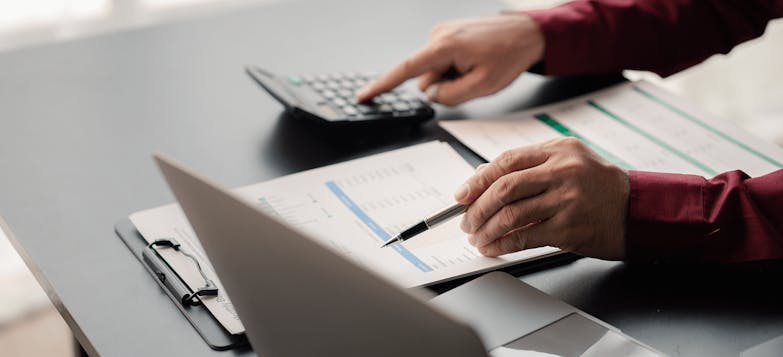
Need to file a self assessment tax return by the end of Jan? Any plans to do so during the Christmas break? If so, you’d be in good company.
Last year, more than 40,000 people filed their tax return over the festive period, with nearly 4,500 filing on Christmas Day itself. That’s one way to get out of helping in the kitchen. Sneaky.
But as taxpayers all over the country get ready to file their tax returns, scammers are ramping up efforts to steal their hard-earned cash.
Thousands of tax return scams reported to HMRC
Since February 2025, more than 4,800 self assessment scams have been reported to HMRC. Scammers target people when they expect the HMRC to get in touch, such as around tax return deadlines.
Lucy Pike, HMRC’s chief security officer, said: “Millions of people file a tax return each year and scammers mimic HMRC to try and catch unsuspecting victims out.
I’m urging people to stay vigilant and if any emails, text messages or phone calls appear suspicious – don’t be lured into clicking on links or sharing your personal information – report it directly to HMRC. Just search ‘report an HMRC scam’ on GOV.UK to find out more.”
Let’s take a look at how to keep yourself safe from scammers during the Christmas period.
HMRC self assessment scams – red flags to watch out for
HMRC self assessment scams vary; you might get a text saying you’re due a tax refund with a dodgy link to follow, or you might get an e-mail saying your tax calculation is ready and you can “claim money back”.
If you follow the links, you’ll be prompted to put in personal information that can then be used to steal your money.
Remember, if you’re actually due a refund, you can claim it via your HMRC online account or through the HMRC app. You don’t have to follow any suspicious links to claim what you owe.
Scams evolve all the time, but here are a few red flags to watch out for. It’s likely a scam if you’re being:
- rushed or threatened with legal action over the phone; HMRC will never leave voicemails threatening arrest, for example
- asked for personal or financial information over text or email
- contacted by email, text, or phone to tell you you’re owed a refund and where to claim one
Keep yourself safe from HMRC scams
Here are a few ways to keep yourself safe from fraudsters pretending to be the HMRC:
- Use strong passwords for all your accounts to prevent hacking
- Don't trust the caller ID; numbers can be spoofed so even if it “looks” like it’s the HMRC calling, it might be a scammer
- Don't click on any links if you’re unsure; it’s best to look up the site on your browser and access the information that way
If in doubt, hang up and end all communication; nothing is so urgent you can’t phone back later
Think you’ve been scammed? Here’s what to do
If you think you’ve been scammed, you should:
- forward any suspicious HMRC texts to 60599
- forward any suspicious HMRC emails to phishing@hmrc.gov.uk
- report any suspicious tax scam phone calls on gov.uk
- contact your bank if your money’s been stolen
- report the scam to Report Fraud or 101 in Scotland
There’s more advice on how to stay safe online on the Stop! Think Fraud website.

< Back to articles