
Energy price cap to rise 4% in October raising bills by £60 - how you can cut costs


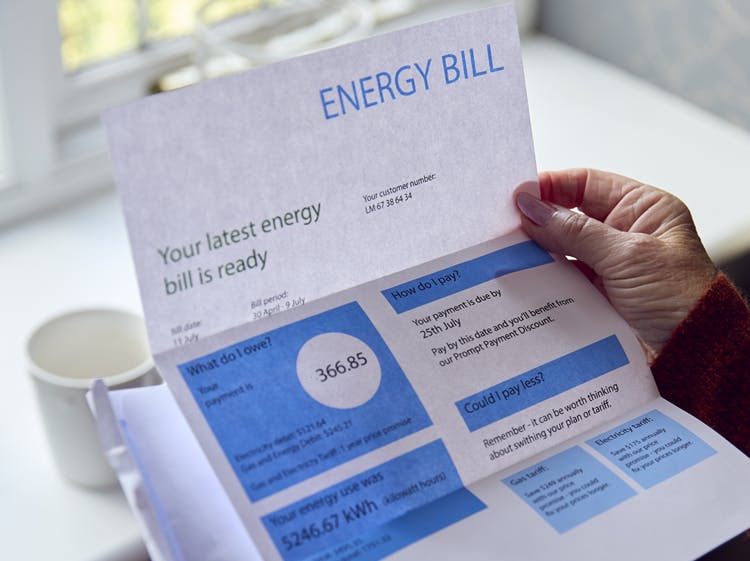
Families are set for an energy bill shock from October as annual bills jump by 4%, under the Ofgem price cap.
The cap has been confirmed at £1,723, adding an extra £5 a month or £60 a year to bills.
The increase comes amid higher wholesale gas prices, which is a result of conflict in the Middle East.
Here’s what the October energy price cap means for your bills and what you can do to reduce your costs.
What is October's energy price cap?
The energy price cap is to increase to £1,723 for a typical household who use electricity and gas and pay by Direct Debit from 1 October from its current level of £1.663.
Ofgem reviews the energy price cap every three months and October's cap will last until 31 December 2026.
The latest move takes bills to their highest level since July 2023.
It comes after energy bills increased by 13% in July, and another increase in a matter of months is a big blow to household budgets.
However, the £1,723 figure is based on the energy use of a typical household.
Your actual bill depends on how much gas and electricity you use, where you live and how you pay for your energy.
Why are energy bills going up again?
The increase reflects higher wholesale energy costs which are at their highest level in almost four years.
This is comes from a rise in oil price off the back of the US-Iran conflict.
Wholesale energy is one of the biggest factors for household bills.
Ahead of the price cap announcement, leading forecasters Cornwall Insight said: "The Middle East situation, and its impact on global gas markets, is affecting the ability of European gas storage operators to refill stocks ahead of winter, with gas-in-store levels remaining at historic low levels for the time of year."
The agency also said that the ongoing heatwave across Europe has increasing gas demand for power generation to meeting air conditioning and cooling demands.
Will the VAT cut make energy bills cheaper?
There is some relief for households, as the government is removing VAT from domestic electricity bills from 1 October.
VAT on electricity is currently charged at 5%, but this will fall to 0% from October.
The move is estimated to save around £45 a year.
Without the VAT cut, the October cap could have been even higher.
The government has said suppliers are expected to pass the VAT reduction on to customers, including people on fixed tariffs.
What is the energy price cap?
The energy price cap limits the rates suppliers can charge customers on standard variable or other default tariffs for each unit of gas and electricity, as well as the daily standing charges.
It does not cap your total energy bill.
If you use more energy, you will pay more. If you use less, you will pay less.
The cap applies to customers on default tariffs who pay by Direct Debit, standard credit or prepayment meter, although the rates vary depending on how you pay.
How can I reduce my energy bill?
If you're worried about your energy costs this winter, there are plenty of ways you can reduce your bills.
Check if you can get a cheaper energy tariff
You may be able to save money by switching to a different tariff, including a fixed deal.
Use a comparison site such to compare how much you're paying now with the available tariffs.
Compare the unit rates, standing charges, exit fees and estimated annual cost before switching.
If you are already on a fixed tariff, the October price cap change does not normally affect your agreed rates.
Warm Home Discount £150
Millions of households can also get help through the £150 Warm Home Discount.
The scheme provides a £150 reduction on an eligible household's electricity bill during winter.
In England and Wales, households receiving certain means-tested benefits, including Universal Credit, Housing Benefit, income-related Employment and Support Allowance and Pension Credit, can qualify under the current rules.
Around six million households across Britain are expected to receive the discount this winter.
What wastes the most energy in your home?
One of the simplest ways to reduce your bill is to use less energy, particularly as the weather gets colder.
Turning down your heating by a degree or two allows for big savings, as well as draught proofing your home.
And stop leaving appliances such as the television and smart speaks on standby when not being used to help bring down costs.
Help if you can't pay your energy bill
If you are struggling to pay bills, the first port of call should be your supplier.
Explain your situation and see what support they can offer.
You could also potentially qualify for help worth thousands of pounds with free grants.
The grants are offered by charities funded by major energy companies.
For example, British Gas’ Individual and Families Fund is open to prepayment meter and credit customers who are up to £1,700 in debt. You don’t even need to be a customer of the energy giant to apply.
You’ll need to have a household income of less than £20,328 a year, or someone in the household has more than three children, is registered disabled and receives a disability benefits or carers Allowance.
The account needs to be active and registered to your current home address.
You can check what additional help you may be entitled to through a free benefits calculatorL
Try :

< Back to articles