
Can you charge an electric car at home without a driveway? New 2026 rules explained


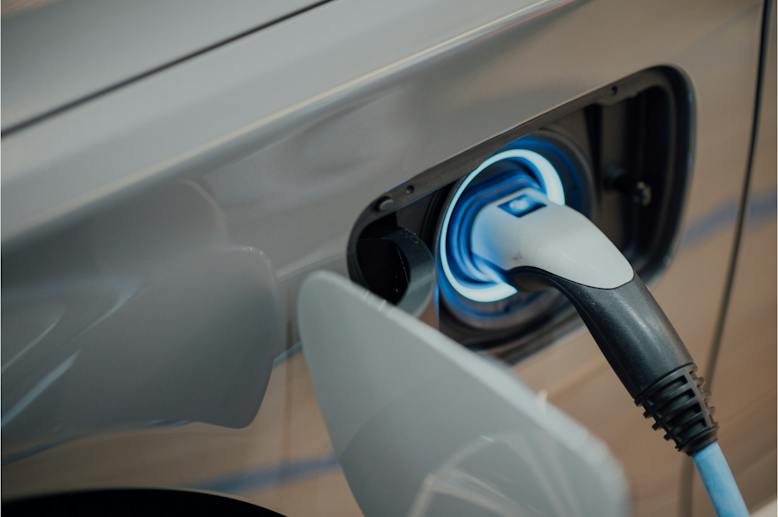
If you've ever fancied switching to an electric car but live in a terraced house with nothing resembling a driveway, you'll know there's been a fairly expensive catch - finding somewhere to plug it in.
People who can charge their cars at home have access to some of the cheapest running costs around, particularly if they're on an overnight electricity tariff. Meanwhile, those parking on the street can end up paying considerably more at public charging points for exactly the same electricity.
New rules coming into force in England today (21 October 2026) could help change that. Homeowners and renters without driveways may now find it easier to install a charger that connects their house to a car parked on the street, without applying for planning permission.
The government says the change could save drivers up to £300 in installation costs. But before you start measuring the pavement outside your house, there's an important catch; you still need permission from your local highways authority, and not every council allows these chargers.
Here's how the new rules work, what installation could cost and whether the savings make financial sense.
Can you charge an electric car at home without a driveway?
Yes, potentially. You can charge an electric car parked on the street using electricity from your home, provided you have the appropriate permissions and a safe, authorised way of getting the charging cable across the pavement.
One solution is a cross-pavement charging channel, sometimes called a charging gully. It's a narrow channel installed into the pavement which allows an EV charging cable to run from your property to your car without trailing loose across the footpath.
You still plug your car in as normal, but the electricity comes from your domestic supply rather than a public charging network. That matters because home electricity, particularly on a specialist overnight EV tariff, can be considerably cheaper than public charging.
It doesn't mean you're automatically entitled to install one, though. Your council still needs to authorise the pavement works, and you'll need somewhere you can legally and safely position the charger.
What are the new EV charging rules from 21 October 2026?
The government has changed planning rules in England so that qualifying cross-pavement charging channels and associated home chargers can be installed without a separate planning application.
Previously, planning permission could add another layer of cost and administration to an installation. Removing that requirement could save applicants up to £300, according to the Department for Transport. However, there are three important things to know.
First, the changes apply to England, not automatically to Scotland, Wales or Northern Ireland.
Second, planning permission and highways approval are different things. You still need the appropriate authorisation to make changes to a public pavement, along with any other required street works permissions.
Third, there are restrictions. The new permitted development rights do not cover certain installations in conservation areas or around listed buildings. There are also requirements governing where chargers can be fitted and how safely they can be used.
In other words, the government has removed one hurdle, not handed everybody permission to start digging up the pavement.
How much cheaper is charging at home than using public EV chargers?
Potentially a great deal cheaper, and this is where the new rules become much more interesting for your household budget.
According to Zapmap's September 2026 charging price index, the average pay-as-you-go price for standard public charging was 54p per kilowatt-hour (kWh), rising to 79p for rapid and ultra-rapid charging.
Some specialist home EV electricity tariffs offer overnight charging at around 8p per kWh, although the exact price depends on your supplier, tariff and when you charge.
< Back to articles